Revolutionizing the Hotel Experience: The Future of USA Hotels and Artificial Human Organs
Category : thesheraton | Sub Category : Posted on 2023-10-30 21:24:53
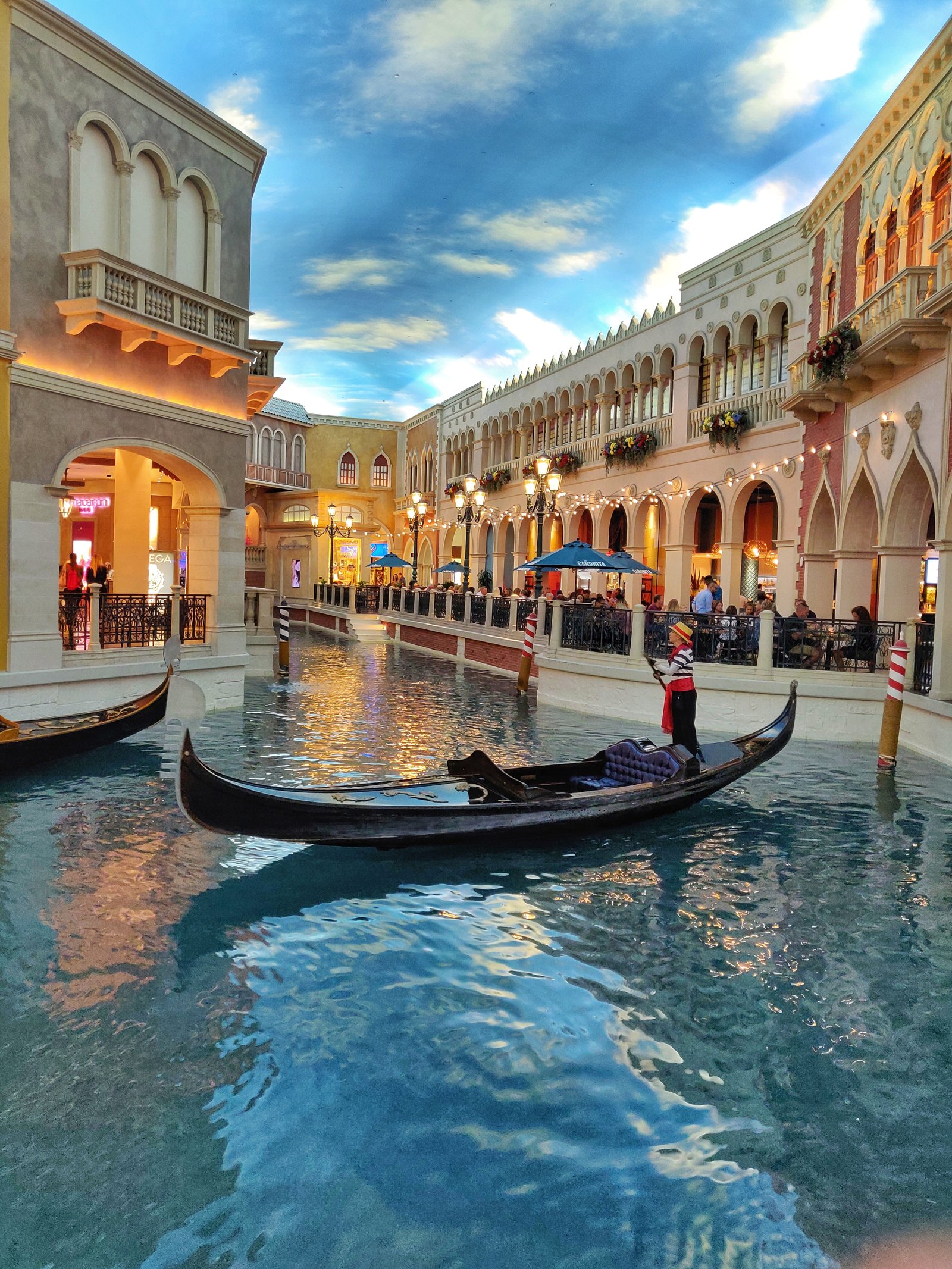
Introduction: In recent years, technological advancements have revolutionized various industries, from transportation to healthcare. One sector that has embraced innovation and transformation is the hospitality industry, specifically hotels. Today, we explore the intriguing intersection of USA hotels and artificial human organs, diving into the potential impact this marriage of technology could have on the future hotel experience. Enhancing Guest Comfort and Safety: USA hotels have always strived to provide exceptional experiences for their guests, and the integration of artificial human organs could significantly contribute to this goal. With the advancement of biotechnology and organ manufacturing, hotels could offer guests state-of-the-art amenities designed to enhance comfort, safety, and overall well-being. Imagine walking into your hotel room and being greeted by an ambient environment perfectly tailored to your needs. Artificial human organs could adjust room temperature, humidity levels, and even air quality based on individual preferences. Not only would this ensure maximum comfort for guests, but it would also contribute to a healthier and more enjoyable stay. Revolutionizing Healthcare Services: Besides improving guest comfort, hotels equipped with artificial human organs could potentially offer groundbreaking healthcare services. The future could see hotels collaborating with medical institutions to provide on-site diagnosis, monitoring, and even treatment for certain medical conditions. For instance, researchers are making significant progress in developing artificial kidneys that function similarly to their biological counterparts. Hotels could install these organs in their facilities, allowing guests with kidney problems to receive temporary treatment during their stay. This would provide a convenient and cost-effective solution for individuals who require specific medical care while on the road. Moreover, hotels could utilize cutting-edge technology, such as artificial lungs, to purify air quality within their buildings. By removing harmful pollutants and allergens, hotels can provide a healthier environment for guests, particularly those with respiratory conditions. This proactive approach to health and well-being could attract a wider range of guests, positioning these hotels as leaders in sustainability and guest care. Ethical Considerations: While the integration of artificial human organs in USA hotels offers numerous opportunities, it also raises significant ethical questions. As a society, we must carefully navigate the boundaries between healthcare and hospitality. Striking a balance between providing medical assistance and ensuring individuals' privacy and consent will be pivotal in successful implementation. Furthermore, the cost implications of incorporating this advanced technology should be considered. Hotels would need to find a way to make these amenities accessible to a broad range of guests, ensuring that luxury isn't the only driving factor behind these developments. Conclusion: As technology continues to advance, the possibilities are endless when it comes to integrating artificial human organs into the hotel industry. From enhancing guest comfort and safety to revolutionizing healthcare services, the future of USA hotels could be forever changed. However, ethical considerations and accessibility issues must be carefully addressed to ensure that these advancements serve the greater good. With the right approach, the marriage of technology and hospitality could pave the way for a new era in the hotel industry, offering guests unparalleled experiences and improved well-being. Seeking answers? You might find them in http://www.nezeh.com Explore this subject in detail with http://www.nacnoc.com Discover new insights by reading http://www.renbt.com Looking for more information? Check out http://www.organb.com
Leave a Comment:
SEARCH
Recent News
- Zurich, Switzerland is a charming city known for its stunning architecture, picturesque landscapes, and vibrant culture. It is a popular destination for tourists from all over the world, offering a mix of historical sites, modern amenities, and breathtaking natural beauty. One of the must-visit places in Zurich is the old town, where you can stroll through narrow cobblestone streets lined with shops, cafes, and historic buildings.
- Zurich, Switzerland, and Sydney, Australia, are two popular travel destinations known for their unique charm and vibrant atmospheres. Travelers looking to explore these cities often seek comfortable accommodation options to enhance their stay. In this article, we will guide you through some top hotels in Sydney to consider for your next visit, and also delve into the beautiful city of Zurich and highlight some of its charming hotels.
- When it comes to content creation on YouTube, there are endless possibilities to explore. One interesting niche that creators can delve into is showcasing Tunisian hotels. Tunisia is known for its beautiful landscapes, rich history, and vibrant culture, making it an attractive destination for tourists from around the world.
- Are you interested in learning about YouTube content creation and translation in the context of Sydney hotels? I'm here to guide you through the process of producing engaging YouTube videos focusing on Sydney hotels and how to effectively translate your content to reach a wider audience.
- Tunisia is a beautiful country with stunning beaches, rich culture, and a colorful history. Tunisian hotels play a crucial role in the country's tourism industry, offering visitors a comfortable and luxurious stay during their vacation.
- Planning a trip to Sydney and looking for the best hotels to stay in? Look no further! In this blog post, we will introduce you to some of the top Sydney hotels that you can explore and consider for your stay.
- Tunisia is a beautiful North African country known for its rich history, stunning beaches, and vibrant culture. With its diverse landscapes ranging from the Sahara Desert to the Mediterranean Sea, Tunisia is a popular destination for tourists from all over the world. One major event that put Tunisia on the map in the sports world was when it hosted the FIFA World Cup in 1978.
- The World Cup is an exciting event that draws fans from all over the globe to experience the thrill of watching their favorite teams compete on the world stage. And when it comes to attending matches in Sydney, finding the perfect hotel is key to making the most of your World Cup experience.
READ MORE
11 months ago Category : thesheraton

Zurich, Switzerland is a charming city known for its stunning architecture, picturesque landscapes, and vibrant culture. It is a popular destination for tourists from all over the world, offering a mix of historical sites, modern amenities, and breathtaking natural beauty. One of the must-visit places in Zurich is the old town, where you can stroll through narrow cobblestone streets lined with shops, cafes, and historic buildings.
Read More →11 months ago Category : thesheraton

Zurich, Switzerland, and Sydney, Australia, are two popular travel destinations known for their unique charm and vibrant atmospheres. Travelers looking to explore these cities often seek comfortable accommodation options to enhance their stay. In this article, we will guide you through some top hotels in Sydney to consider for your next visit, and also delve into the beautiful city of Zurich and highlight some of its charming hotels.
Read More →11 months ago Category : thesheraton

When it comes to content creation on YouTube, there are endless possibilities to explore. One interesting niche that creators can delve into is showcasing Tunisian hotels. Tunisia is known for its beautiful landscapes, rich history, and vibrant culture, making it an attractive destination for tourists from around the world.
Read More →11 months ago Category : thesheraton
