Enhancing the Hotel Booking Experience in the USA with Core Ontology and Natural Language Processing
Category : thesheraton | Sub Category : Posted on 2023-10-30 21:24:53
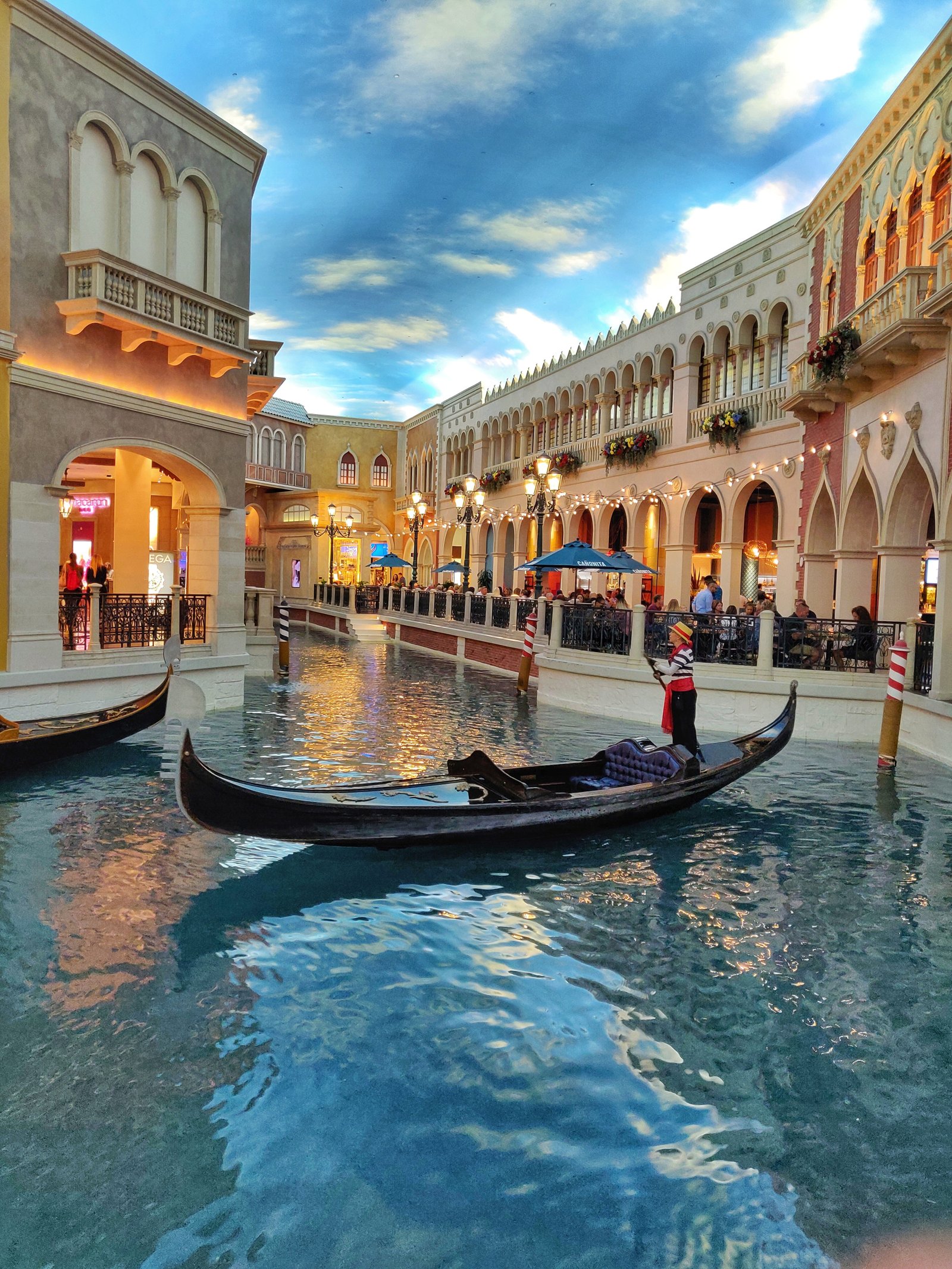
Introduction: As the travel industry continues to evolve, hotels have become an integral part of the overall experience for travelers visiting the USA. With the rise of online booking platforms, finding the perfect hotel that meets specific requirements can be a daunting task. However, advancements in technology such as core ontology and natural language processing (NLP) offer promising solutions to enhance the hotel booking experience. Understanding Core Ontology: Core ontology is a structured representation of knowledge that focuses on capturing the fundamental concepts and relationships within a specific domain. In the context of the hotel industry, core ontology enables the categorization of hotels based on attributes like location, amenities, pricing, and more. By utilizing core ontology, hotel search engines can provide more precise and personalized search results, ensuring that users find the most relevant and suitable accommodations for their needs. Leveraging Natural Language Processing: Natural language processing is a branch of artificial intelligence that combines linguistics and computer science to understand and interpret human language. NLP algorithms can extract valuable information from unstructured data such as hotel reviews, descriptions, and user queries, allowing for a more comprehensive understanding of user preferences. By analyzing the text and context, NLP can determine sentiment, identify important features, and generate insights to improve the hotel search process. The Benefits of Combining Core Ontology and NLP: 1. Accurate Search Results: Integrating core ontology with NLP allows for a more accurate and efficient hotel search experience. Users can input natural language queries such as "pet-friendly hotels with a pool in New York City," and the system can understand the specific requirements and retrieve relevant results. 2. Personalized Recommendations: Analyzing user preferences through NLP enables the system to provide personalized hotel recommendations. By considering factors like previous booking history, review sentiment, and individual preferences, the platform can curate a list of hotels that align with the user's specific needs and preferences. 3. Improved Customer Service: NLP-powered chatbots can assist users throughout the hotel booking process, answering questions, providing recommendations, and addressing concerns. These virtual assistants can understand and respond to user queries in real-time, enhancing customer service and reducing response times. 4. Enhanced Reviews and Feedback Analysis: NLP techniques can extract sentiment from hotel reviews and feedback, allowing hoteliers to gain valuable insights into guest experiences. This information can drive improvements in service, amenities, and overall guest satisfaction. Conclusion: The combination of core ontology and natural language processing has the potential to revolutionize the hotel booking experience in the USA. By leveraging these advanced technologies, hotel search engines can deliver more accurate, personalized, and efficient results to travelers. Additionally, hotels can benefit from NLP-powered insights, improving their offerings and enhancing guest satisfaction. With ongoing advancements in NLP and core ontology, we can expect a brighter future for the hotel industry, where travelers can effortlessly find their ideal accommodations based on their unique preferences, needs, and desires. For the latest research, visit http://www.nezeh.com also this link is for more information http://www.nacnoc.com Uncover valuable insights in http://www.thunderact.com To understand this better, read http://www.renbt.com also for More in http://www.coreontology.com
Leave a Comment:
SEARCH
Recent News
- Zurich, Switzerland is a charming city known for its stunning architecture, picturesque landscapes, and vibrant culture. It is a popular destination for tourists from all over the world, offering a mix of historical sites, modern amenities, and breathtaking natural beauty. One of the must-visit places in Zurich is the old town, where you can stroll through narrow cobblestone streets lined with shops, cafes, and historic buildings.
- Zurich, Switzerland, and Sydney, Australia, are two popular travel destinations known for their unique charm and vibrant atmospheres. Travelers looking to explore these cities often seek comfortable accommodation options to enhance their stay. In this article, we will guide you through some top hotels in Sydney to consider for your next visit, and also delve into the beautiful city of Zurich and highlight some of its charming hotels.
- When it comes to content creation on YouTube, there are endless possibilities to explore. One interesting niche that creators can delve into is showcasing Tunisian hotels. Tunisia is known for its beautiful landscapes, rich history, and vibrant culture, making it an attractive destination for tourists from around the world.
- Are you interested in learning about YouTube content creation and translation in the context of Sydney hotels? I'm here to guide you through the process of producing engaging YouTube videos focusing on Sydney hotels and how to effectively translate your content to reach a wider audience.
- Tunisia is a beautiful country with stunning beaches, rich culture, and a colorful history. Tunisian hotels play a crucial role in the country's tourism industry, offering visitors a comfortable and luxurious stay during their vacation.
- Planning a trip to Sydney and looking for the best hotels to stay in? Look no further! In this blog post, we will introduce you to some of the top Sydney hotels that you can explore and consider for your stay.
- Tunisia is a beautiful North African country known for its rich history, stunning beaches, and vibrant culture. With its diverse landscapes ranging from the Sahara Desert to the Mediterranean Sea, Tunisia is a popular destination for tourists from all over the world. One major event that put Tunisia on the map in the sports world was when it hosted the FIFA World Cup in 1978.
- The World Cup is an exciting event that draws fans from all over the globe to experience the thrill of watching their favorite teams compete on the world stage. And when it comes to attending matches in Sydney, finding the perfect hotel is key to making the most of your World Cup experience.
READ MORE
11 months ago Category : thesheraton

Zurich, Switzerland is a charming city known for its stunning architecture, picturesque landscapes, and vibrant culture. It is a popular destination for tourists from all over the world, offering a mix of historical sites, modern amenities, and breathtaking natural beauty. One of the must-visit places in Zurich is the old town, where you can stroll through narrow cobblestone streets lined with shops, cafes, and historic buildings.
Read More →11 months ago Category : thesheraton

Zurich, Switzerland, and Sydney, Australia, are two popular travel destinations known for their unique charm and vibrant atmospheres. Travelers looking to explore these cities often seek comfortable accommodation options to enhance their stay. In this article, we will guide you through some top hotels in Sydney to consider for your next visit, and also delve into the beautiful city of Zurich and highlight some of its charming hotels.
Read More →11 months ago Category : thesheraton

When it comes to content creation on YouTube, there are endless possibilities to explore. One interesting niche that creators can delve into is showcasing Tunisian hotels. Tunisia is known for its beautiful landscapes, rich history, and vibrant culture, making it an attractive destination for tourists from around the world.
Read More →11 months ago Category : thesheraton
